
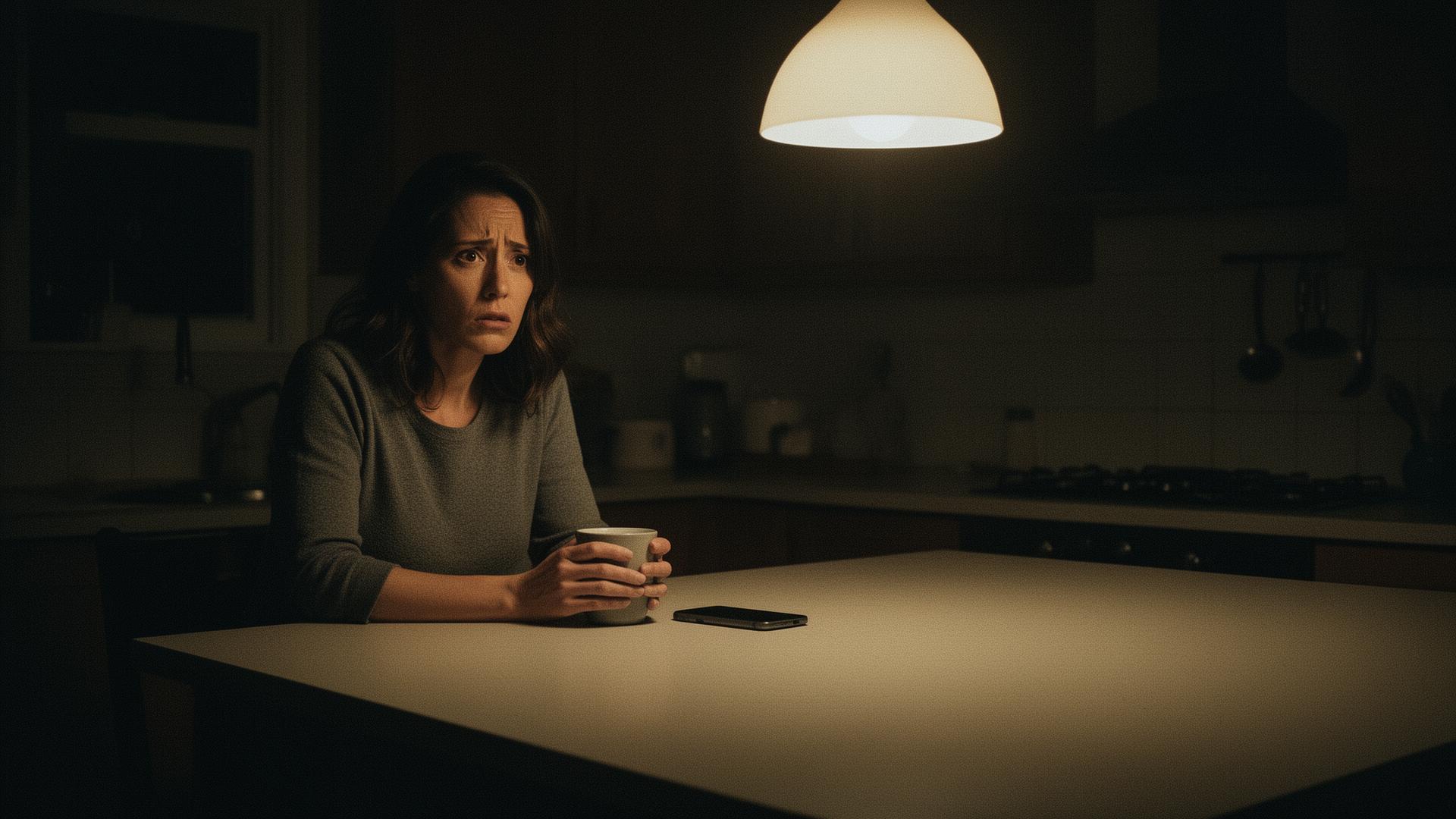
If you are reading this, you already know something is wrong. You are not paranoid. You are not making it up. You are picking up on a pattern your husband has been hiding - sometimes for months, sometimes for years - and your nervous system is telling you the truth before your mind is ready to hear it. This guide is for the wife, partner, or family member who needs to name it.
Al Richards is a recovery coach in Utah who has sat with hundreds of families on both sides of this. He coaches the men who are hiding. He also coaches the spouses who are trying to figure out what is real. Here is what he sees every week.
1. The schedule stops adding up
Long lunches. Detours on the way home. A gym membership he never actually uses but always references. Errands that take three hours. The single most consistent sign of a hidden addiction is missing time. Track it for two weeks without confronting him. Patterns will surface.
2. Money is moving and the explanations are thin
Cash withdrawals. Venmo and Cash App charges with no memo. A new credit card you did not know about. Receipts deleted from his email. Money is the first thing addiction touches and the last thing a man wants to talk about.
3. The phone is suddenly a secret
Face-down on the table. Taken into the bathroom. Passcode changed. A second app folder buried three screens deep. The phone is the modern hiding place for porn, sports betting, dating apps, dealers, and old using friends. If the phone became a vault, ask why.
4. Mood swings on a 48 hour cycle
Up on Friday, distant by Sunday. Charming at dinner, snapping by morning. Active addiction runs on a chemistry cycle. If his temperament is moving on a clock you can almost set, that clock is the substance.
5. Sleep is broken
Up at 3am. Out cold by 8pm. Naps that look more like passing out. Stimulants, alcohol, opioids and benzos all wreck sleep architecture in different and recognizable ways.
6. Physical tells
Weight loss or weight gain that is not explained by anything else. Pupils that do not match the room. Sweating in a cold house. Tremors in the morning before coffee. Bloodshot eyes that he blames on screens. None of these alone confirm anything. Three of them together usually do.
7. He is suddenly defensive about questions he used to laugh off
How was your day. Where were you. Are you ok. Easy questions in a healthy marriage. In an active addiction they become threats, because every honest answer puts the secret at risk.
"Hidden addiction is not a character flaw in your husband. It is a survival pattern that has stopped working for everyone in the house."
8. The friendships have shifted
Old friends are quietly gone. New friends you have never met show up in his texts. Or the opposite - he is suddenly isolated, refusing to see anyone, claiming everyone is exhausting. Addiction reorganizes a man's social life around the substance.
9. Intimacy has changed
Either it has disappeared completely or it is being used as a smokescreen. Both patterns are common. A husband hiding something will often weaponize closeness to avoid suspicion, or shut down completely because the shame is louder than the desire.
10. Your gut will not let you sleep
This is the one most women already know and most women dismiss. You wake up at 4am with a knot in your chest. You hate that you are checking his phone. You hate that you are checking his car. The fact that you are doing it is data. Trust it.
What to do next - the first 7 days
Do not confront him in anger. Do not search his phone in front of him. Do not threaten divorce on a Tuesday night after two glasses of wine. Those moves feel powerful in the moment and they almost always backfire. The addiction is older and smarter than that confrontation.
Instead: write down what you have observed, with dates. Talk to one person you trust who does not know him - a coach, a therapist, an Al-Anon meeting, a hotline. Get yourself supported before you try to confront him. You cannot pull a drowning man out of the water if you are also drowning.
What Al tells the wives who call him at 2am
You did not cause this. You cannot control it. You will not cure it. What you can do is stop being the one holding the whole house together alone. There is a path forward, and the first step is naming it out loud to someone who has seen it before. Coaching is not therapy and it is not rehab. It is a man on the phone who has been on both sides of this storm telling you what the next 24 hours actually need to look like.
If something in this list named what you have been carrying, the next step is a free first call. Bring your notes. Bring your questions. Bring the version of you that has not slept properly in a month. We will start there.